
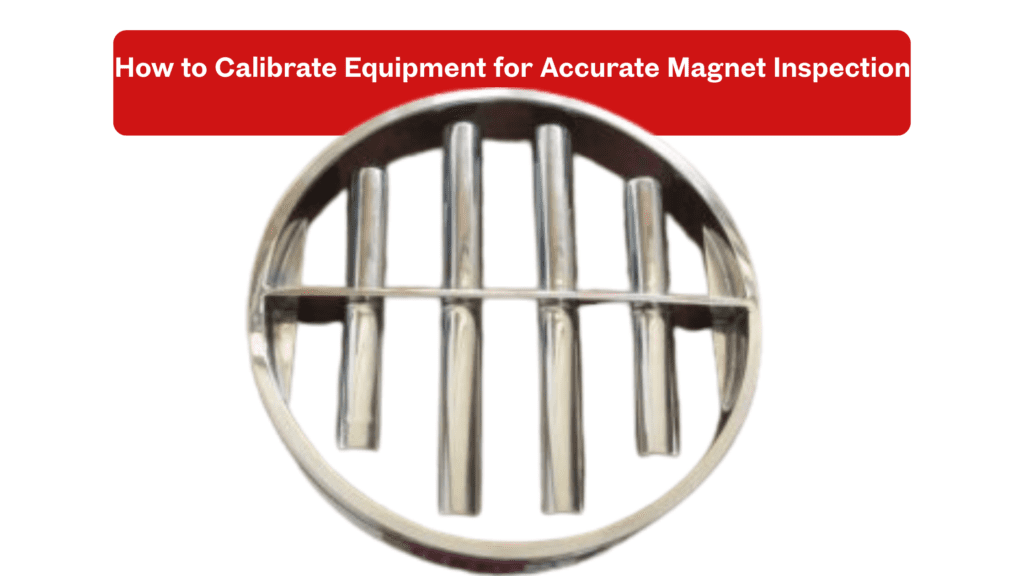
Accurate magnet inspection depends on one critical factor: proper calibration. Even the most advanced inspection system can deliver unreliable results if it’s not calibrated correctly. In industries where safety, compliance, and quality matter, calibration is not optional; it’s essential.
In this guide, I’ll walk you through how to calibrate magnet inspection equipment step by step, based on real-world industrial practices and quality standards.
Why Calibration Is Crucial in Magnet Inspection
Magnet inspection systems are designed to detect defects, contaminants, or inconsistencies in magnetic materials. Over time, sensors drift, magnets lose strength, and environmental factors affect accuracy.
Proper calibration helps you:
- Maintain consistent inspection accuracy
- Reduce false positives and missed defects
- Meet ISO and industry compliance requirements
- Extend equipment lifespan
- Build trust in inspection results
In short, calibration protects both your product quality and your reputation.
Types of Equipment Used in Magnet Inspection
Before calibration, it’s important to understand what you’re working with. Common magnet inspection equipment includes:
- Magnetic particle inspection (MPI) systems
- Magnetic separators and detectors
- Gauss meters and flux meters
- Electromagnets and permanent magnets
- Control panels and sensor units
Each system requires a slightly different calibration approach.
Step-by-Step Magnet Inspection Calibration Process
1. Follow Manufacturer Guidelines First
Always start with the equipment manual. Manufacturers provide specific calibration intervals, reference values, and testing procedures tailored to the system.
Skipping this step is a common and costly mistake.
2. Inspect Equipment Condition
Before calibration, check for:
- Physical damage or loose connections
- Worn cables or sensors
- Dirt, metal dust, or oil buildup
- Power supply stability
Calibration won’t fix mechanical or electrical issues. Address these first.
3. Use Certified Reference Standards
Calibration must be performed using traceable reference standards, such as:
- Certified test pieces
- Known magnetic field strength samples
- Standardized defect indicators
This ensures your magnet inspection results are accurate and repeatable.
4. Measure Magnetic Field Strength
Using a calibrated gauss meter:
- Measure magnetic field output
- Compare readings with reference values
- Adjust current, voltage, or magnet positioning if needed
Field strength is critical for detecting surface and subsurface defects.
5. Adjust Sensitivity and Threshold Levels
Fine-tune system sensitivity to:
- Avoid false alarms
- Detect real defects consistently
- Match product specifications
This step is especially important in automated magnet inspection systems.
6. Perform Validation Tests
After adjustments, run test samples through the system:
- Confirm that defects are detected correctly
- Verify rejection mechanisms work
- Repeat tests for consistency
Validation proves the calibration was successful.
7. Document Calibration Records
Maintain clear records including:
- Calibration date and results
- Reference standards used
- Technician details
- Next calibration due date
Documentation supports audits, compliance, and quality assurance.
How Often Should Magnet Inspection Equipment Be Calibrated?
Calibration frequency depends on usage and industry requirements. As a general rule:
- High-volume production: Monthly or quarterly
- Critical safety components: Before each batch
- Standard industrial use: Every 6–12 months
Always follow regulatory or customer-specific requirements.
Common Magnet Inspection Calibration Mistakes
Avoid these common issues:
- Using uncertified reference standards
- Skipping environmental checks (temperature, vibration)
- Over-adjusting sensitivity
- Poor documentation
- Ignoring early warning signs of drift
Small mistakes can lead to big quality failures.
Best Practices for Accurate Magnet Inspection
- Train operators regularly
- Use third-party calibration services when required
- Store reference standards properly
- Calibrate after equipment relocation or repairs
- Schedule preventive maintenance
These practices improve long-term inspection reliability.
FAQs: Magnet Inspection Calibration
What is magnet inspection calibration?
Magnet inspection calibration is the process of adjusting inspection equipment to ensure accurate and consistent detection of magnetic defects or contaminants.
Why is calibration important in magnet inspection?
Calibration ensures reliable results, reduces errors, and helps meet quality and compliance standards.
What tools are used for magnet inspection calibration?
Common tools include Gauss meters, certified test samples, magnetic field indicators, and reference blocks.
How long does magnet inspection calibration take?
Depending on system complexity, calibration can take from 30 minutes to several hours.
Can magnet inspection equipment be calibrated in-house?
Yes, if trained personnel and certified reference standards are available. Otherwise, third-party services are recommended.
Final Thoughts
Accurate magnet inspection starts with proper calibration. It’s not just a technical task—it’s a quality commitment. When done correctly, calibration ensures safer products, fewer rejections, and greater customer confidence.
If you want your magnet inspection process to deliver consistent, trustworthy results, make calibration a priority, not an afterthought.